
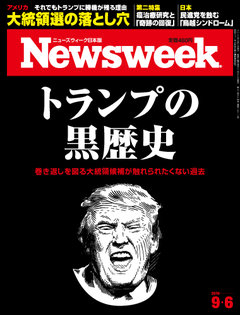
This is the English-language original of an op-ed I published in this week’s Newsweek Japan. I was thinking about what if any impact the recent Permanent Court of Arbitration ruling on the South China Sea, and China’s full-throated objection to it, will have on Japan. Three things come to mind:
1. Given the size of Japan’s economy, Japan is more absolutely dependent on SCS freedom of navigation than anyone else. Its straight-up dollar interest in FON down there is huge. It is hard to imagine Japan not getting pulled in just by the criterion alone.
2. China need not start a war or do anything very dramatic to cause genuine trouble for Japan in the SCS. It only needs to stop a few transiting ships for a few days for ‘health inspections’ or ‘environmental concerns.’ Or its fishermen or coast guard could ram or block ships. Once the pressure of an incident rose, China would release the ships, saying that they were now in compliance with some bogus regulation. This would send a clear signal that China has its boot on Japan’s windpipe but in a very oblique way that would make responding to China very hard. The Chinese have proven themselves adept at this sort of salami slicing. Future one- or two-day stoppages for specious health or traffic safety reasons would constantly be hanging out there as a potential threat. At the very least, it would drive up the cost of shipping and insurance.
2. The US is probably not going to fight a major conflict with a near-superpower just over shipping lanes. Were Japan directly attacked, sure, the US would intervene. But the Chinese aren’t stupid. They learned from the massive counter-balancing the Soviets incurred when they tried to bully everyone during the Cold War. The Chinese are much more oblique and crafty, and they’ll work hard to avoid a direct military confrontation with the US. This too will likely force Japan to get more involved.
The full essay follows the jump.

 Robert E Kelly